τεστ σήματα
Chapter 7 of 9

Equipment and loading

18 questions from the official bank with the right answer, in the order of the manual.

  1. No. 1
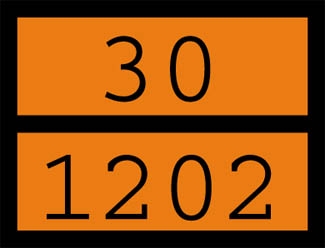
    Picture of question 1

    Number 30 on the traffic sign shown opposite indicates:

    1. AInflammable liquids.
    2. BVery inflammable liquids.
    3. CVery inflammable and toxic liquids.

    Right answer: A. An official question of the Ministry, in its official translation.
  2. No. 2
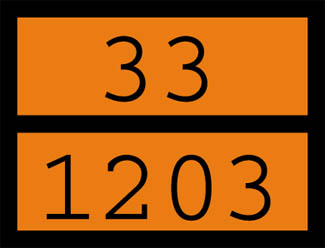
    Picture of question 2

    Number 33 on the traffic sign shown opposite indicates?

    1. AInflammable liquids.
    2. BVery inflammable liquids.
    3. CVery inflammable and toxic liquids.

    Right answer: B. An official question of the Ministry, in its official translation.

  3. No. 3

    Parcels, boxes, barrels that contain a hazardous material should, when transported, be indicated by a special plate-label with the following shape:

    1. ARound.
    2. BRhomb.
    3. CSquare.

    Right answer: B. An official question of the Ministry, in its official translation.

  4. No. 4

    On both sides of lorries the following should be written:

    1. ALorry’s height and width.
    2. BLorry’s length and distance between the axles.
    3. CLorry’s maximum permissible weight, useful load and main office.

    Right answer: C. An official question of the Ministry, in its official translation.

  5. No. 5

    How many indication triangles should a combination of vehicles (train or articulated) have:

    1. AOne (1).
    2. BAs many as the vehicles are.

    Right answer: B. An official question of the Ministry, in its official translation.

  6. No. 6

    The lorries with a maximum permissible weight of over 3.500 kg and the trailers must:

    1. ABe fitted with mud flaps on the wheels of the front axle.
    2. BBe fitted with mud flaps on all wheels.
    3. CBe fitted with mud flaps on the wheels of the rear axle.

    Right answer: C. An official question of the Ministry, in its official translation.

  7. No. 7

    Anti-rolling wedges (chocks) must be fitted to:

    1. AAll lorries.
    2. BLorries with a maximum permissible weight of up to 3.500 kg.
    3. CLorries with a maximum permissible weight of over 3.500 kg.

    Right answer: C. An official question of the Ministry, in its official translation.

  8. No. 8

    The proper way to load a lorry is as follows:

    1. AThe load must be distributed as uniformly as possible on the floor surface, so as to lower the centre of gravity.
    2. BThe load must be stowed in one place, so that its loading and unloading be easy.
    3. CThe load can be put in any place, because the load weight does not change.

    Right answer: A. An official question of the Ministry, in its official translation.

  9. No. 9

    The proper way to load a lorry is as follows:

    1. AA heavy individual object should be put at the back of the vehicle and to either side as possible.
    2. BA heavy individual object should not be put at the back of the vehicle or to either side.
    3. CObjects can be put to any place, because the load weight does not change.

    Right answer: B. An official question of the Ministry, in its official translation.

  10. No. 12

    The load carried by a lorry is allowed to jut out from the back of the lorry body by up to:

    1. A50% of the body length.
    2. B40% of the body length.
    3. C30% of the body length.

    Right answer: C. An official question of the Ministry, in its official translation.

  11. No. 13

    When should a load transported by a lorry be indicated by a white plate of at least 0,5 x 0,5 m with diagonal red stripes?

    1. AWhen it juts out by over one (1) meter from the front or rear part of the vehicle.
    2. BWhen it juts out by over 0,40 m breadthwise from the external edge of lights of the vehicle.
    3. CWhen it juts out by over 30% of the length of the vehicle body.

    Right answer: A. An official question of the Ministry, in its official translation.

  12. No. 17

    If a vehicle carries more than one hazardous materials, they should be indicated:

    1. ABy a “hazardous materials carried” plate.
    2. BBy a plate-label at the rear part.
    3. CBy as many plates-labels (rear part) as are the hazardous materials.

    Right answer: C. An official question of the Ministry, in its official translation.

  13. No. 19

    The vehicles with a maximum permissible weight of over 7.500 kg and length of over 13 m should have, for their identification, at the rear part:

    1. AOne or two metal plates with alternating oblique stripes of red fluorescent material and yellow reflecting material.
    2. BOne or two plates with red fluorescent material and yellow reflecting material on which special symbols can be impressed.
    3. CTwo or four plates with yellow reflecting material one or two of which have alternating oblique stripes and one or two have special symbols of red fluorescent material.

    Right answer: C. An official question of the Ministry, in its official translation.

  14. No. 20

    Many accidents have been recorded in the past where lorries jammed under bridges or which were caused because the height of the bridge was limited or the strength of the bridge was for a lighter weight. Therefore:

    1. AThe lorry driver should load their vehicle up to the maximum permissible height and weight, so as not to cause accidents when crossing bridges or passing under them.
    2. BThe lorry driver should load their vehicle up to the maximum permissible height and weight, but also check (on the basis of the relevant traffic signs) height of every bridge (if passing under them) and the maximum permissible weight (if crossing them).

    Right answer: B. An official question of the Ministry, in its official translation.

  15. No. 21

    What risk does a loaded lorry, when negotiating a dangerous curve, run?

    1. AIt may lose its balance and its load may be disconnected, because the centre of gravity is set quite high.
    2. BThe body may touch the road and the load runs the risk of losing its balance or being destroyed due to the shaking.
    3. CIt may develop a high speed due to the force exerted by its weight.

    Right answer: A. An official question of the Ministry, in its official translation.

  16. No. 22

    What risk does a loaded lorry, when crossing a dangerously rough road, run?

    1. AIt may lose its balance and its load may be disconnected, because the centre of gravity is set quite high.
    2. BThe body may touch the road and the load runs the risk of losing its balance or being destroyed due to the shaking.
    3. CIt may develop a high speed due to the force exerted by its weight.

    Right answer: B. An official question of the Ministry, in its official translation.

  17. No. 23

    What risk does a loaded lorry, when crossing a dangerous downhill, run:

    1. AIt may lose its balance and its load may be disconnected, because the centre of gravity is set quite high.
    2. BThe body may touch the road and the load runs the risk of losing its balance or being destroyed due to the shaking.
    3. CIt may develop a high speed due to the force exerted by its weight, which will result in the intense use of the brakes, their overheating and loss of their effectiveness.

    Right answer: C. An official question of the Ministry, in its official translation.

  18. No. 24

    On traffic signs that indicate dangers due to the carriage of hazardous materials, the first number indicates:

    1. AThe main danger.
    2. BSecondary dangers.

    Right answer: A. An official question of the Ministry, in its official translation.

Other chapters